A Human-Machine Interface (HMI) display, known as the HMI-Human Machine Interface Display for Machine Operation, is the crucial user interface in an industrial control system. It provides a visual and interactive platform that allows human operators to monitor, manage, and control industrial machinery, processes, or entire automated systems. The HMI-Human Machine Interface Display for Machine Operation translates complex machine data (from PLCs, controllers, sensors, etc.) into a user-friendly graphical format, and converts operator commands back into signals the machines can execute. The HMI-Human Machine Interface Display for Machine Operation is essential for efficiency.
Key Functions of an HMI
The HMI-Human Machine Interface Display for Machine Operation plays a pivotal role in modern factories, enabling operators to interact seamlessly with machines. Incorporating the HMI-Human Machine Interface Display for Machine Operation enhances operational clarity and reduces the chances of errors.
The HMI-Human Machine Interface Display for Machine Operation significantly improves the interaction between operators and machinery, fostering a seamless operational flow.
Incorporating the HMI-Human Machine Interface Display for Machine Operation can lead to enhanced productivity and more accurate machine control.
As industries evolve, the importance of the HMI-Human Machine Interface Display for Machine Operation in ensuring efficiency cannot be overstated.
The effectiveness of the HMI-Human Machine Interface Display for Machine Operation is vital in optimizing industrial efficiency and safety.
Furthermore, the HMI-Human Machine Interface Display for Machine Operation contributes significantly to user training and ease of use in machine operation, promoting a safer work environment.
With advancements in technology, the HMI-Human Machine Interface Display for Machine Operation now offers touchscreen interfaces, making it even more user-friendly. This evolution in the HMI-Human Machine Interface Display for Machine Operation reflects the industry’s push towards greater automation.
Utilizing the HMI-Human Machine Interface Display for Machine Operation enhances productivity and simplifies machine interactions.
The HMI-Human Machine Interface Display for Machine Operation is integral to modern industrial settings, enhancing efficiency and usability.
- Visualization (Monitoring): Displays real-time status, process variables (temperature, pressure, speed, etc.), and equipment diagrams, often using graphics, charts, and gauges.
- Control and Command: Allows operators to start/stop equipment, adjust setpoints, change recipes, and manipulate valves or motor speeds through touch inputs or buttons on the screen.
- Alarm Management: Provides timely and prioritized notifications of system faults, errors, or abnormal conditions, guiding the operator toward corrective action.
- Data Logging and Trending: Records historical operational data and displays it in trend charts, enabling operators and engineers to analyze performance and troubleshoot intermittent issues.
- Diagnostics: Displays detailed fault codes and diagnostic information directly from the connected control devices (like PLCs or VFDs) to speed up maintenance and repair.
Choosing the right type of HMI-Human Machine Interface Display for Machine Operation is essential to meet diverse industrial demands.
Hardware Types
- Panel PCs (Industrial PCs): These combine the display and the computing unit into one rugged device. They run full operating systems (like Windows or Linux) and can execute complex SCADA/HMI software. They offer high performance and large screen sizes.
- Dedicated Operator Panels (Terminal HMIs): These are purpose-built devices with embedded operating systems (like Windows CE or proprietary RTOS). They are optimized for running a single HMI application and are known for their reliability and rapid boot times. Examples include Siemens Comfort Panels or Allen-Bradley PanelView Plus terminals.
- Mobile HMIs: Rugged tablets or handheld devices that allow operators to monitor and control equipment while moving around the plant floor.
Physical Display Features
Different hardware types of the HMI-Human Machine Interface Display for Machine Operation are available, catering to various operational needs and environments.
Different HMI-Human Machine Interface Display for Machine Operation technologies cater to various user needs, enhancing usability and functionality.
- Input: Primarily resistive or capacitive touchscreens, though many panels also include physical function keys or membrane keypads for rugged environments.
- Protection: Industrial HMIs feature IP65/IP66 front panel ratings to resist dust, splashing water, and wash-down procedures.
HMI in the Automation Hierarchy
- Control Layer: Contains the PLCs (Programmable Logic Controllers) or DCS (Distributed Control Systems), which execute the physical control logic.
- HMI Layer: Communicates with the PLCs via industrial protocols PROFINET, {EtherNet/IP}, Modbus TCP to retrieve data and send commands.
Ultimately, effectively utilizing the HMI-Human Machine Interface Display for Machine Operation can substantially improve machine uptime and operational performance.
Display/Screen HMI :
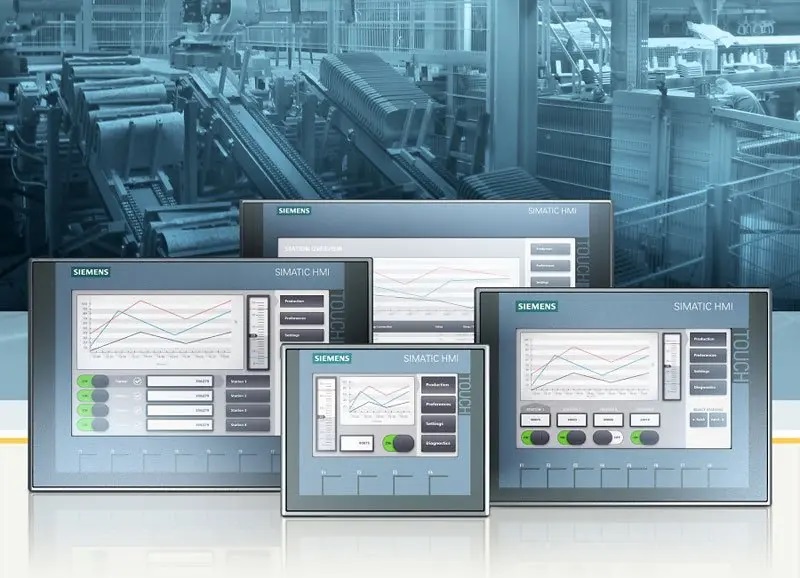
The HMI interface features a display screen that presents information and graphical representations of the system being controlled. HMI (Human-Machine Interface) involves balancing platform integration, cost, and cross-compatibility. While each PLC manufacturer offers its own dedicated HMI line, most major brands now include drivers to communicate with competitors’ PLCs.
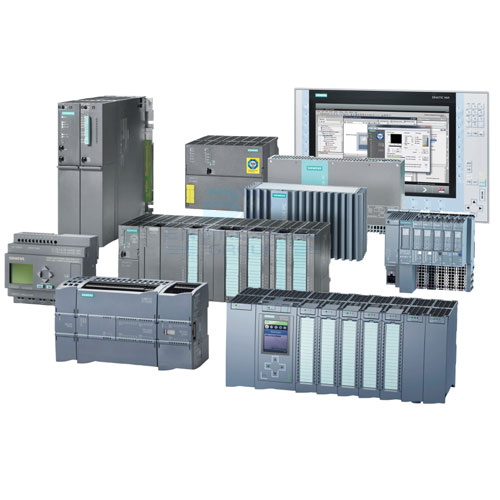
1. Siemens HMI (SIMATIC HMI)
- Primary Product Line: SIMATIC HMI Panel (e.g., Basic Panels, Comfort Panels, Mobile Panels) and SIMATIC Industrial PCs running WinCC.
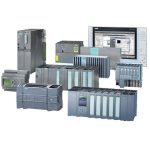
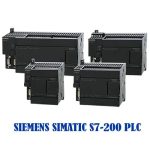
- Native PLC: Siemens SIMATIC PLCs (S7-1500, S7-1200, S7-300, S7-400) using PROFINET (Ethernet) or PROFIBUS.
- Cross-Compatibility:
- Allen-Bradley (Rockwell): Siemens HMIs often include EtherNet/IP and DF1 (serial) drivers to communicate with ControlLogix/CompactLogix and older MicroLogix/SLC 500 PLCs. This is a common solution in mixed-vendor plants.
- Others (Omron, Delta): Communication is usually established via the universal Modbus TCP (over Ethernet) or Modbus RTU (over serial) protocols, as drivers for competitors are frequently included.
Advanced features in the HMI-Human Machine Interface Display for Machine Operation facilitate better data visualization and user interaction.
The capabilities of the HMI-Human Machine Interface Display for Machine Operation must align with the specific requirements of the industrial application.
2. Allen-Bradley HMI (Rockwell Automation)
Allen-Bradley (Rockwell) HMIs are deeply integrated into the Studio 5000 environment and rely heavily on EtherNet/IP communication.
- Primary Product Line: PanelView Plus (e.g., PanelView Plus 7, PanelView 5000), and VersaView Industrial PCs running FactoryTalk View Site Edition (SE) or Machine Edition (ME).
- Native PLC: Allen-Bradley PLCs (ControlLogix, CompactLogix, MicroLogix) using EtherNet/IP.
- Siemens: Communication with Siemens PLCs (S7-1200/1500) typically requires using a generic Modbus TCP driver or a third-party gateway to translate EtherNet/IP to PROFINET.
- Others (Omron, Delta, Beckhoff): Communication is possible via Modbus TCP/RTU or specific serial drivers (e.g., FINS/UDP for Omron) if supported by the FactoryTalk View ME runtime.
3. Beckhoff HMI
- Primary Product Line: Control Panels (CP-Series) running Windows or a proprietary operating system, executing TwinCAT HMI (a web-based HMI solution).
- Native PLC: Beckhoff TwinCAT PLCs (CX series, C6xxx Industrial PCs) using the ultra-high-speed EtherCAT protocol and the ADS (Automation Device Specification) protocol.
- Cross-Compatibility:
- High Flexibility: Because TwinCAT HMI and the underlying Windows OS support standard IT and industrial protocols, Beckhoff panels are inherently flexible.
- Any Vendor: Integration with Siemens, Allen-Bradley, Omron, or Delta is achieved using standard industrial protocols like OPC UA, Modbus TCP, or through the PLC’s native Ethernet protocol if an ADS driver is available.
The design and functionality of the HMI-Human Machine Interface Display for Machine Operation are crucial for achieving optimal performance in manufacturing settings.
Choosing the right HMI-Human Machine Interface Display for Machine Operation is essential for enhancing productivity.
4. Omron HMI
- Primary Product Line: NA Series, NB Series, and NS Series HMIs, programmed with Sysmac Studio (NA) or CX-Designer (NB/NS).
- Native PLC: Omron PLCs (NX/NJ series, CP/CJ series) using EtherNet/IP or the proprietary FINS protocol.
- Cross-Compatibility:
- Wide Driver Support: Omron HMIs and their software packages generally include drivers for major competitors, including Allen-Bradley (EtherNet/IP), Siemens (S7-TCP/IP), and generic protocols like Modbus TCP/RTU.
5. Delta HMI
Delta Electronics offers HMIs known for their competitive pricing and strong cross-brand compatibility, particularly suitable for OEMs integrating multiple PLC brands.
- Primary Product Line: DOP-100 Series and DOP-300 Series touch panels, programmed using DOPSoft software.
- Native PLC: Delta PLCs (DVP series, AS series).
- Cross-Compatibility:
- Excellent: Delta HMIs are designed with a vast library of PLC drivers built directly into the DOPSoft software.
- Key Drivers: They commonly support dedicated drivers for Siemens S7-1200/1500 (ISO TCP), Allen-Bradley (EtherNet/IP), and various models from Omron and Mitsubishi, making them a versatile choice for non-native integration.
| Protocol | Uses | Vendors |
| Modbus TCP/RTU | The most universal protocol. | All (Siemens, AB, Beckhoff, Omron, Delta). |
| EtherNet/IP | Native to Allen-Bradley, Omron; often supported as a driver by others. | AB, Omron, Delta (as driver). |
| S7 TCP/IP | Native to Siemens; supported as a driver by non-native vendors (like Delta and some PC-based solutions). | Siemens, Delta (as driver). |
| OPC UA / MQTT | Used for high-level data exchange, especially with PC-based HMIs (Beckhoff) or SCADA. | All modern vendors. |
To select the best HMI, you must confirm that the HMI software (e.g., TIA Portal, FactoryTalk View, DOPSoft) specifically includes a reliable, high-performance driver for the exact model of your target PLC. Ultimately, investing in the right HMI-Human Machine Interface Display for Machine Operation can lead to significant returns through improved efficiency and reduced downtime.